
Product Center
GC Steel Series
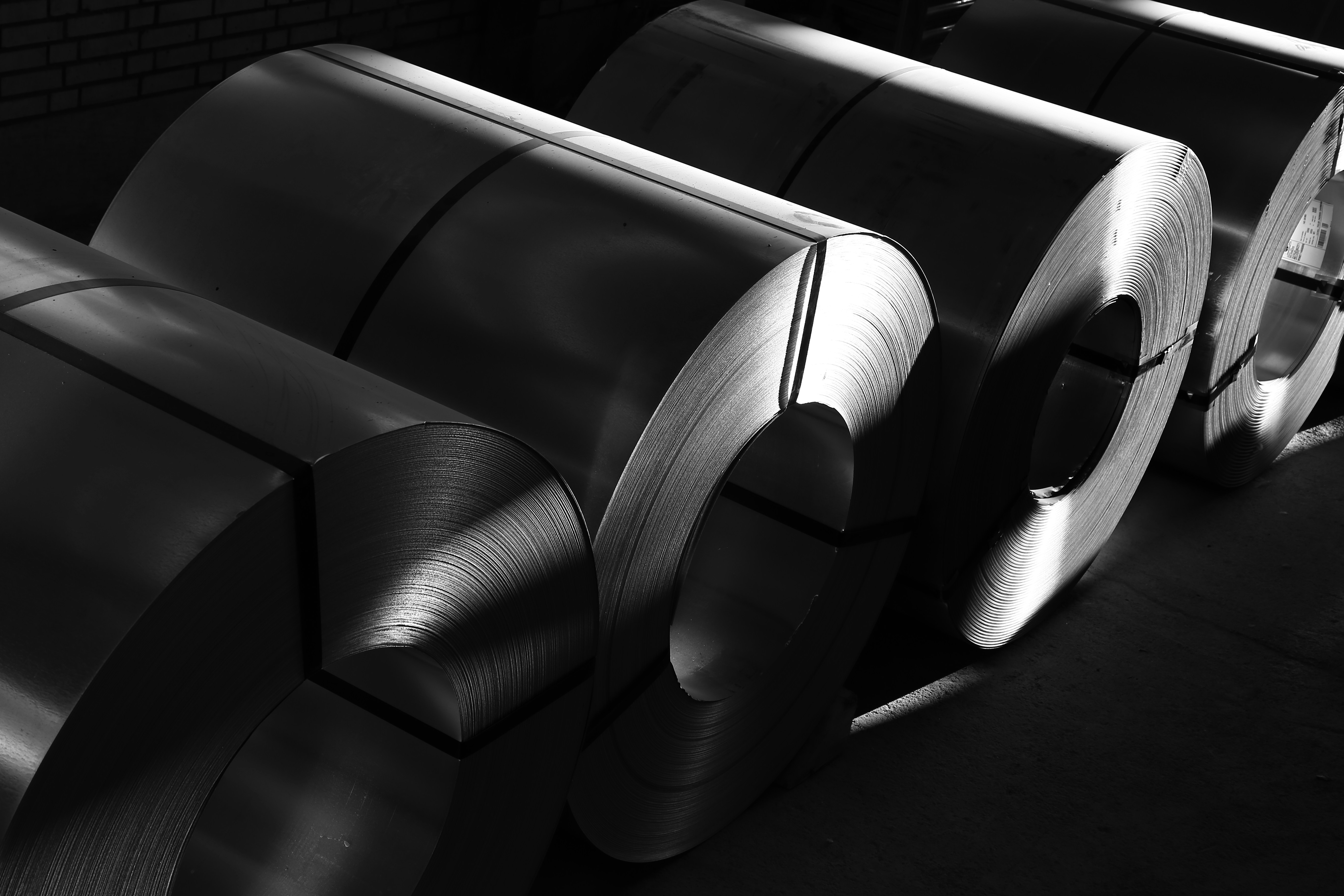
Ultra-High-Strength Wear-Resistant Steel MR450
[Non-quenched and Tempered Series] Yield strength ≥ 1350MPa, eliminating the need for quenching and tempering furnaces entirely.
Technical Specifications
Yield Strength≥1350 MPa
Tensile Strength≥1600 MPa
Elongation≥13%
-40℃ impact energy≥34J
180° bendd=3a no cracks
Brinell hardness430-480 HBW
Poisson's ratio0.25-0.26
Key Features
- Low-carbon low-alloy design
- Low Poisson's Ratio Design: Reduced Poisson's ratio from 0.30 to 0.25, increased shear modulus by 6%, and decreased impact wear volume by 12.4%
- Complete elimination of the quenching and tempering furnaces reduces comprehensive energy consumption per ton of steel by 30-40% and carbon emissions by 35-40%.
- No quench hardening limitations: Surface-to-core hardness difference in 80mm thick plates ≤20 HBW, completely eliminating the size effect.
- Intrinsic corrosion resistance + self-healing passivation film: Corrosion resistance index improved by 79% over traditional products; weight loss rate after 72-hour salt spray test reduced by 68%.
- No preheating required: Carbon equivalent ≤ 0.72%, Preheat temperature ≤ 100°C
- Significant lightweighting benefits: liner thickness reduced by 30-40%, lowering total lifecycle costs by over 50%.
Application Areas
Mine Car Body Liner PlateCrusher Toggle PlateBucket, Mill LinerDrilling tools, chute liners
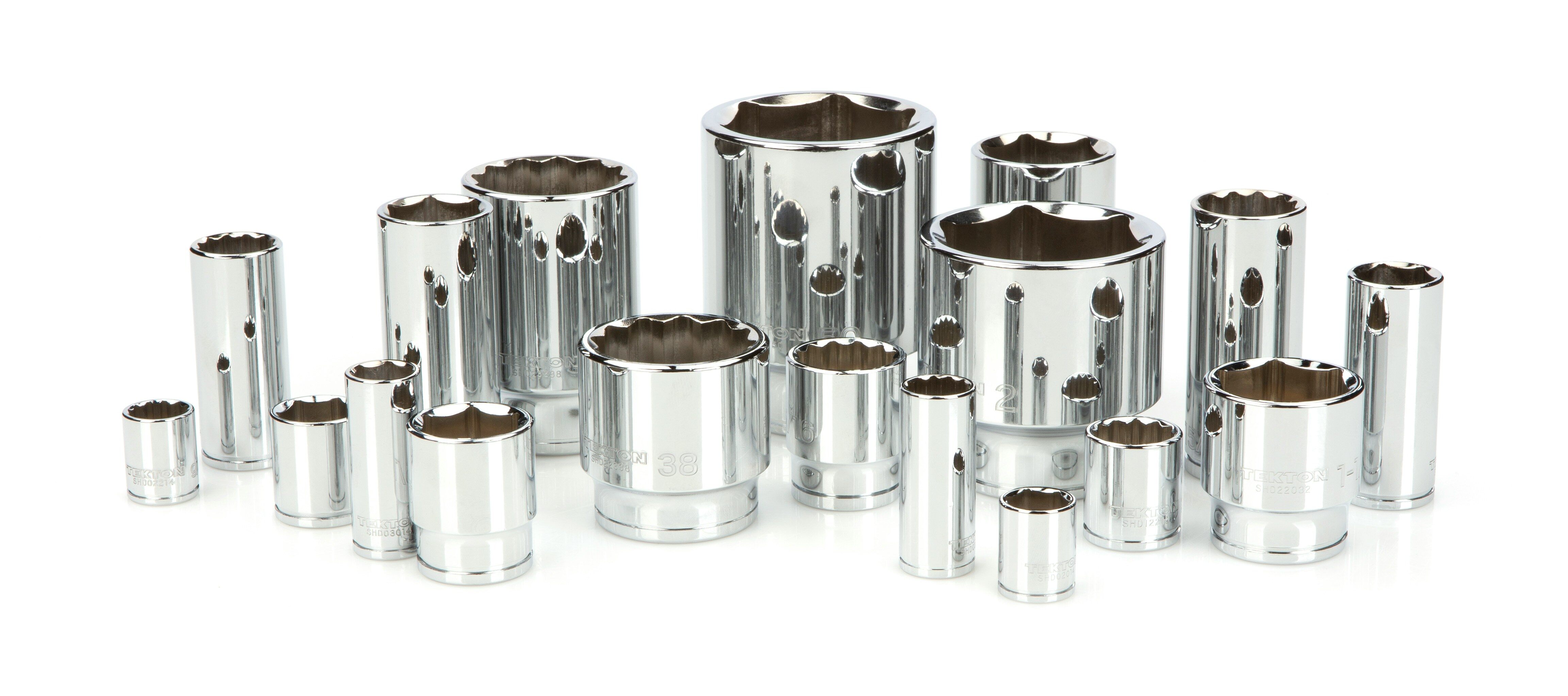
High-strength cold-formed steel
[Non-Quenched & Tempered Series] Hot-rolled steel behaves like plastic clay; cold-formed parts require no heat treatment, significantly reducing energy consumption and emissions.
Technical Specifications
Yield Strength (Before Cold Forming)380-410 MPa
Yield Strength (After Cold Working)800-1200 MPa
Tensile Strength (Before Cold Pressing)540-600 MPa
Tensile Strength (After Cold Pressing)900-1400 MPa
Elongation30-40%
Reduction of area≥70%
Hardness (Before Cold Pressing)80-100 HRB
true strain at fractureε ≥ 1.0
Key Features
- Hot-rolled steel is like plasticine; no annealing is required before cold forming.
- Deformation strengthens the material; cold pressing eliminates the need for heat treatment and prevents quenching distortion.
- Corrosion Resistance: Synergistic multi-element action forms a self-healing dual-layer passivation film, reducing weight loss in salt spray tests by 65% compared to traditional steel after 72 hours.
- Precision Forming: No heat treatment distortion; dimensional stability within IT7-IT8 grade.
- Energy efficiency and carbon reduction: Integrated energy consumption per ton of steel ≤ 100kgce/t, achieving a 60-70% reduction compared to traditional processes.
Application Areas
10.9/12.9 grade boltsCold-pressed automotive chassis componentsHydraulic Fittings, Precision BushingsMotor housing, mining pin
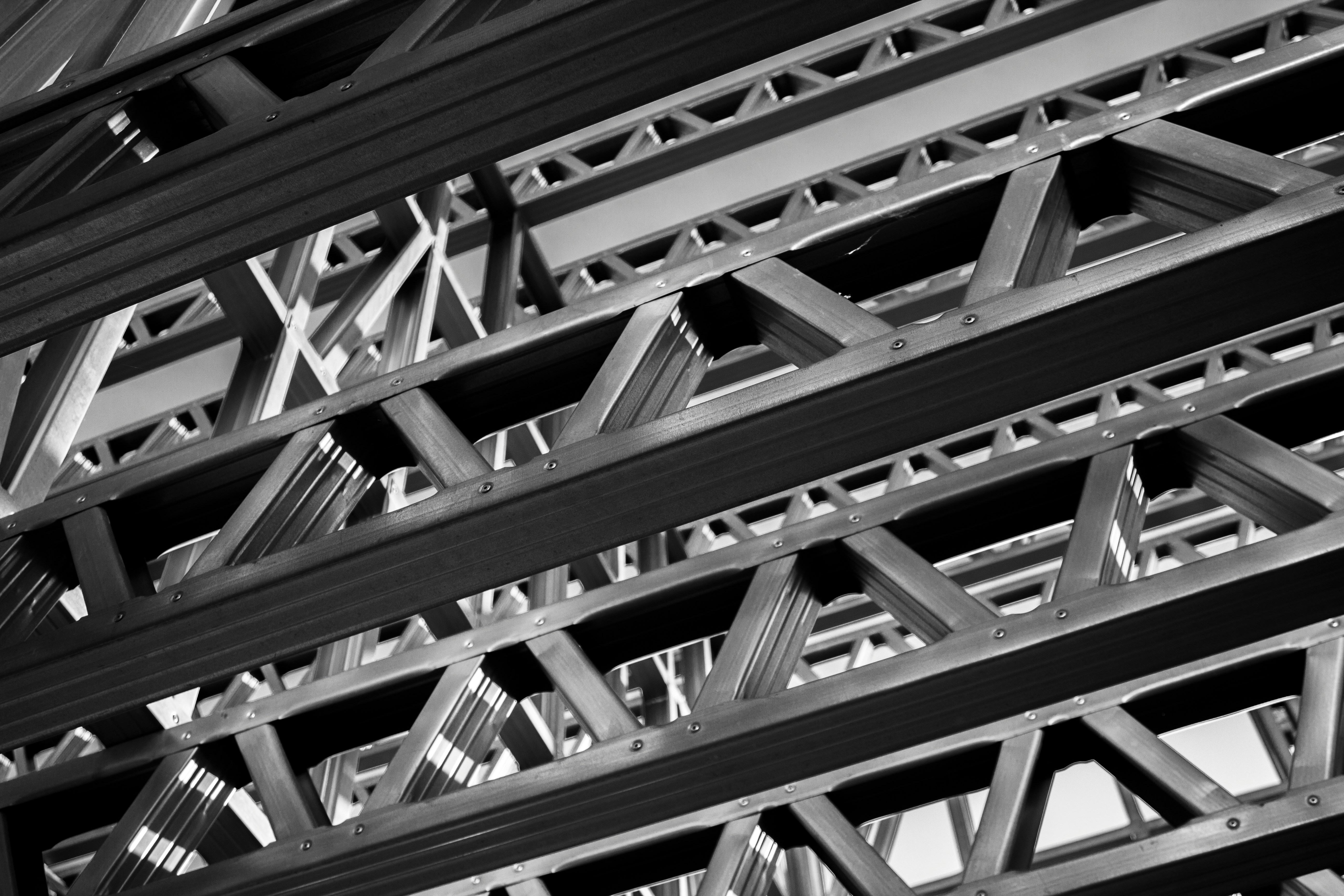
High-strength beam steel Q1150L
[Non-quenched and Tempered Series] Yield Strength 1150-1250 MPa; Eliminates offline quenching and tempering, no preheating required for welding
Technical Specifications
Yield Strength1150-1250 MPa
Tensile Strength≥1350 MPa
Elongation15-18%
-40℃ impact energy≥60J
180° bendd=2a no cracks
Poisson's ratio0.26-0.27
Key Features
- Boosts strength while maintaining excellent toughness, solving the industry pain point of high-strength steel being both hard and brittle.
- Cancel offline tempering; integrated energy consumption per ton of steel ≤ 110kgce/t, achieving a 40-50% energy saving compared to traditional processes.
- No preheating required: weld directly in environments as low as 0°C; no transition layer needed for same-material welding with wear-resistant steel.
- Consistent full-section performance: Core-to-surface hardness difference in 80mm plates ≤ 20 HBW, eliminating the size effect.
- Ultra-high torsional fatigue life and inherent atmospheric corrosion resistance
- High-impact energy absorption, 15-19% better than S700MC with exceptional safety margin
- Lightweighting benefits: frame thickness reduced by 35-45%, total cost of ownership decreased by over 50%
Application Areas
Commercial vehicle longitudinal beams, cross beams, square beams, and chassis framesMining Dump Trucks and Mine Trailer ChassisSedan A-pillar, B-pillar, crash beam, energy-absorbing boxContainer chassis, railway car underframes, bridge load-bearing structures
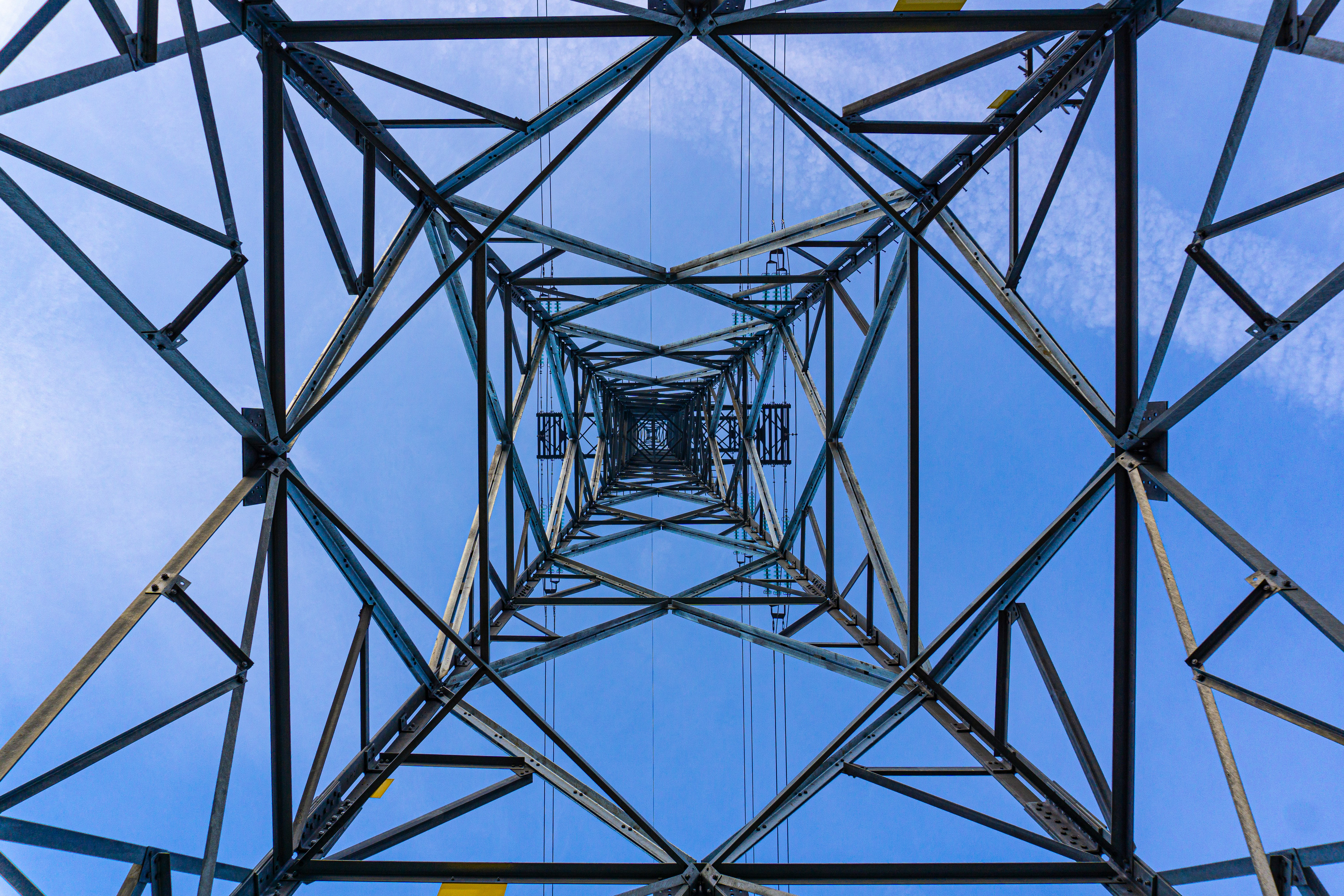
High-strength weathering structural steel Q1100NQR1
[Non-Quenched & Tempered Series] Yield Strength 1000-1100 MPa, Intrinsic Corrosion Resistance, Excellent Impact and Tear Performance
Technical Specifications
Yield Strength1000-1100 MPa
Tensile Strength≥1200 MPa
Elongation≥16%
-40℃ impact energy≥50 J
Dynamic Tear SA≥85%
180° bendd=2a no cracks
Poisson's ratio0.26-0.28
Key Features
- Ultra-low carbon matrix ensures intrinsic high ductility
- Ultra-high impact and tear resistance; collision energy absorption improved by 15–20% over traditional steel
- Intrinsic corrosion resistance: Rust layer thickness is only 1/3 of traditional steel; atmospheric corrosion resistance index improved by 30-50%.
- Significant lightweighting benefits: full lifecycle costs reduced by over 50% compared to the Q700NQR1.
Application Areas
Carbody Structures of Railway Open Wagons, Tank Cars, and Hopper CarsContainer ChassisUndercarriage structural components for mining machineryPower transmission towers, port machinery, and bridge load-bearing components
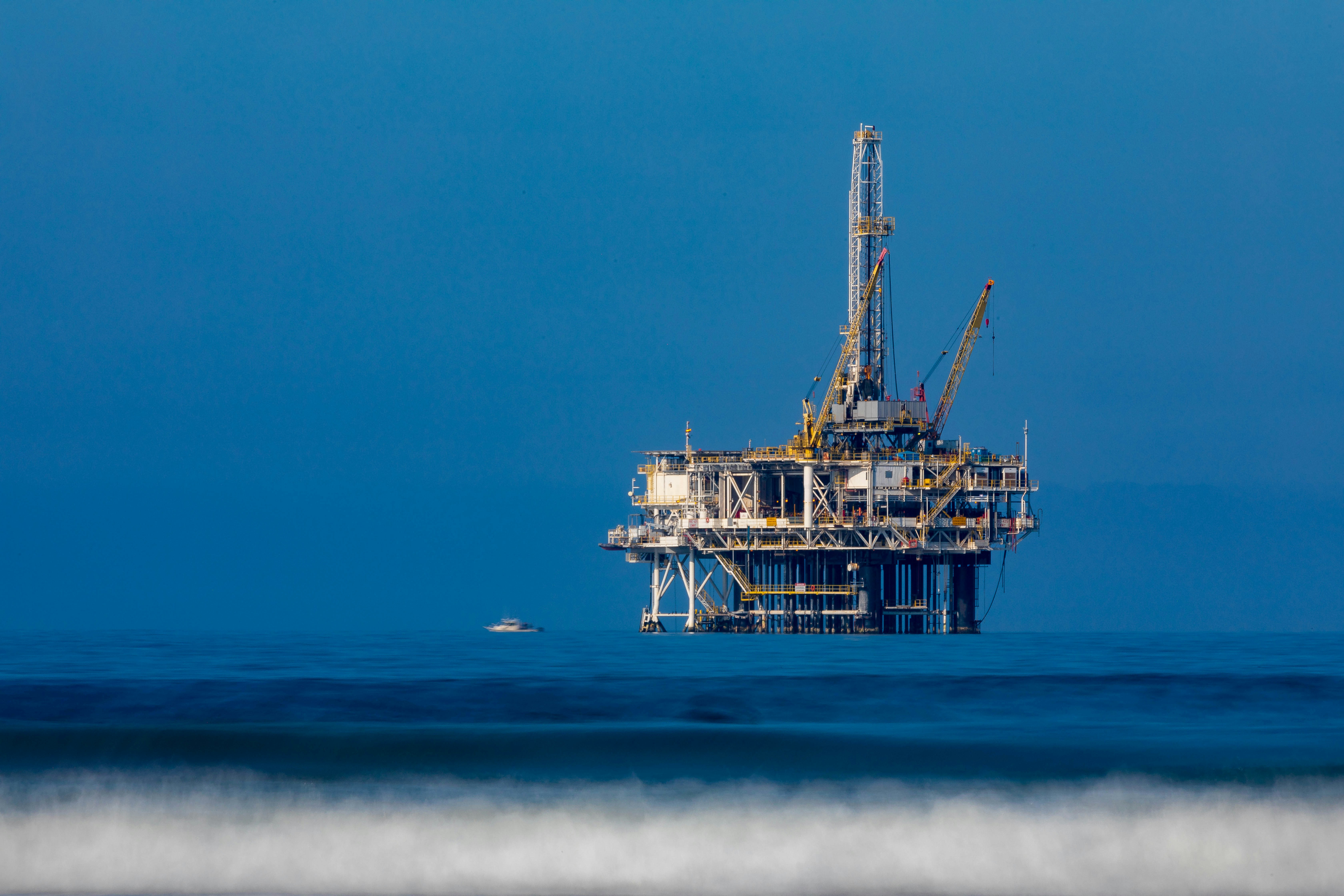
Low-carbon low-alloy high-strength marine steel FH70
[Non-Quenched & Tempered Series] Yield Strength 700-850 MPa, Impact Energy at -60°C ≥ 150 J. Suitable for Polar Environments.
Technical Specifications
Yield Strength700-850 MPa
Tensile Strength850-950 MPa
Elongation20-24%
20℃ impact energy≥200 J
-40℃ impact energy≥180 J
-60℃ impact energy≥150 J
180° bendd=2a no cracks
Ductile-to-Brittle Transition Temperature (DBTT)≤-100℃
Carbon Equivalent for Cold Cracking Sensitivity (Pcm)0.23
Key Features
- Uniform temperature, microstructure, and precipitated phases across the entire cross-section; surface-to-core hardness difference of 100mm thick plate ≤ 15 HBW.
- Shear modulus increased; impact wear life improved by 12%, significantly enhancing the icebreaker hull's resistance to ice layer impacts.
- Inherent corrosion resistance: Self-healing dual-layer passivation film
- Green Manufacturing: Comprehensive energy consumption per ton of steel reduced by >40% and carbon emissions decreased by 40-45% compared to quenching and tempering processes.
- No preheating required for welding (Pcm ≤ 0.20%), significantly reducing construction difficulty in polar regions.
Application Areas
Polar icebreaker hull plating and structureArctic shipping vessels and deep-sea submersible pressure hullsKey load-bearing components of deep-sea platformsPolar research station support structures, offshore wind turbine towers